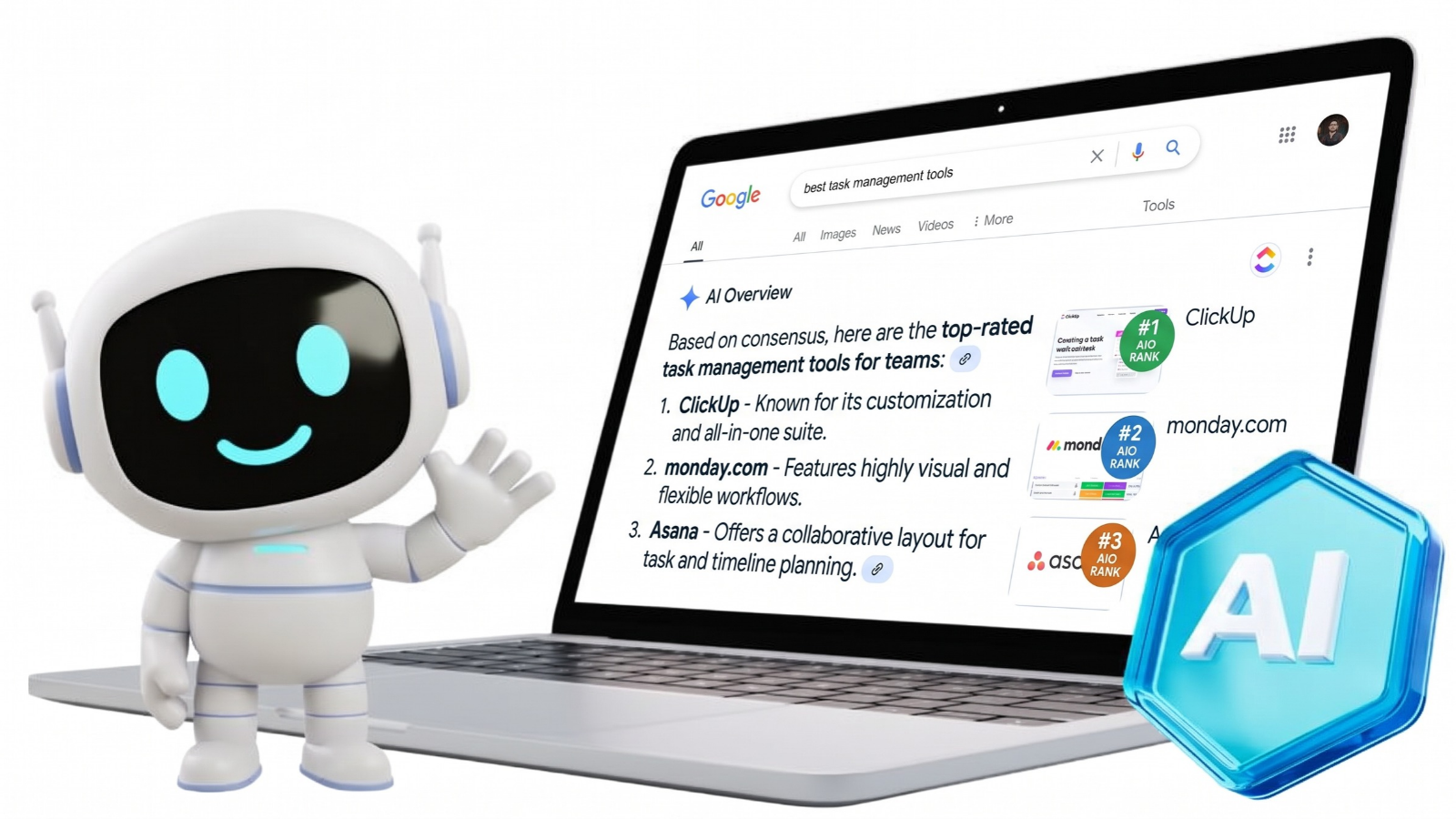
Artificial intelligence (AI) tools, including ChatGPT and Google AI Overviews, can answer questions before customers visit a website. Answer engine optimization (AEO) improves content so search and AI systems can find, understand, and reference useful answers.
Businesses need to consider regular search listings alongside generated answers. For businesses evaluating AEO with Mad Marketing Labs, start with how it fits with search engine optimization (SEO). A practical plan connects clear answers and accessible pages to the right tools, services, and measurable customer activity.
- Answer engine optimization helps search and AI systems find, understand, and reference useful website information.
- AEO builds on SEO, so accessible pages, clear answers, credible sources, and accurate business information still matter.
- Original examples and verifiable evidence can make content more useful than generic summaries.
- Track answer visibility, citations, identifiable AI referrals, and qualified customer actions instead of measuring citations alone.
- No tool, schema type, or content format can guarantee inclusion in AI-generated answers.
What Is Answer Engine Optimization (AEO)?
Answer engine optimization is the practice of making online information easier for search tools and AI systems to find, understand, and use accurately. An answer engine responds to a question directly, sometimes with links that let readers check the source.
Content may appear in a featured snippet or support an AI-generated response. AEO builds on SEO rather than replacing it. For example, an air-conditioning article could answer “Why is my air conditioner blowing warm air?” and separate safe checks from repairs that need a technician. Better clarity helps readers, but publishers cannot choose when an answer system cites a page.
How Does Answer Engine Optimization Work?
AEO works by improving the information that answer systems may retrieve when responding to a question. Platforms find and select sources in different ways, so results can differ between services.
A user might ask, “Which flooring works best in a busy kitchen?” A search tool may retrieve pages about durability, cleaning, and moisture, then synthesize an answer. Google says its AI search can run related searches, called query fan-out, to find supporting material.
Some systems show source links; others may answer without a fresh web search. Clear explanations and verifiable facts help readers check claims when citations appear. Publishing a page does not ensure that a platform will retrieve or quote it.
What Is the Difference Between AEO and SEO?
SEO aims to improve visibility across unpaid search results, while AEO focuses on direct answers and source references. Both approaches depend on clear, useful information that search systems can access and readers can check.
| Factor | SEO | AEO |
| Main Goal | Improve organic visibility | Improve direct-answer visibility |
| Search Experience | Listings and search features | Featured answers and AI responses |
| Main Focus | Relevant content and technical access | Clear answers and credible information |
| Useful Measures | Clicks, rankings, and conversions | Answer appearances, citations, and identifiable referrals |
According to Google's 2026 guidance, existing SEO practices remain foundational for generative search. Businesses can improve both experiences through the same content and website work rather than treating AEO as a competing strategy.
Why Is Answer Engine Optimization Important for Businesses?
Answer engine optimization helps businesses prepare useful information for different search experiences. Clear answers can address customer concerns and give search tools relevant material to reference.
According to a 2024 study involving Princeton researchers, some content edits improved source visibility by up to 40% in experimental generative search responses. Results varied by topic; the experiment showed no gains in Google rankings, website visits, or sales.
An AI answer may satisfy a question without a website visit. Measure useful brand references and customer inquiries alongside traffic, and use clearer content to help visitors decide what to do next. Visibility alone doesn't prove a business gained customers.
How Can You Optimize Your Website for Answer Engines?
Optimize for answer engines by improving answers, access, and accuracy on pages customers already need. Use these six practices as a checklist before creating more content.
1. Answer Customer Questions Clearly and Directly
Answer customer questions with the details needed to make a decision. Collect common questions from sales calls and support messages.
For an illustrative service page, write: “The inspection includes a visual check and a written report. Repairs require a separate quote.” Place the answer under a matching heading without forcing a fixed word count. Google does not prescribe a preferred word count.
2. Organize Content With Clear Headings and Formatting
Clear headings help readers find an answer and follow the explanation. Use second-level (H2) headings for main topics and third-level (H3) headings for supporting details.
Keep one topic per section, with enough context to stand alone. Use numbered steps for a process or a table for comparisons, but avoid splitting connected ideas into tiny blocks solely for AI.
3. Create Original Content That Builds Trust
Original content builds trust when readers can check who wrote it and what supports the claims. Add named authors with relevant experience and reliable references.
A contractor could share an approved project example with photos and recorded findings. Google's E-E-A-T (Experience, Expertise, Authoritativeness, and Trustworthiness) describes content-quality considerations, not a single ranking score.
4. Make Sure Search Engines Can Access Your Content
Search engines need access to readable pages before those pages can support answers. Check indexing in Google Search Console and resolve accidental crawl blocks.
Use relevant internal links, clear website navigation, and mobile-friendly layouts. Structured data should match visible content; Google requires no special AEO schema or custom AI files. Also check that Search Console's generative AI setting does not exclude your site.
5. Use Related Keywords and Questions Naturally
Related questions help a page match how customers actually search. Use natural variations when the wording adds meaning.
A flooring article might cover cleaning, water exposure, and room types alongside installation. Link to existing guides when they answer a useful follow-up question. Avoid separate near-identical pages for every keyword variation.
6. Keep Business Information and Content Accurate
Accurate details help customers act on current information instead of outdated claims. Review services, product details, statistics, and references on important pages.
Check that business hours and contact details match relevant public profiles. Correct broken links and facts that have changed. A new publication date should reflect real edits, not a page that remains unchanged.
What Are the Best Answer Engine Optimization Tools?
The best answer engine optimization tools depend on the problem you need to solve. A visibility tracker cannot replace a website audit or measure every customer action.
Which Tools Help With AEO Content and Technical SEO?
Google Search Console checks indexing and search performance; AI impressions appear in its Generative AI report. Google Analytics 4 (GA4) measures visits and key events, such as completed contact forms; its AI Assistant channel groups recognized referrals. Ahrefs supports keyword research and site audits.
Which Tools Can Track AI Search Mentions and Citations?
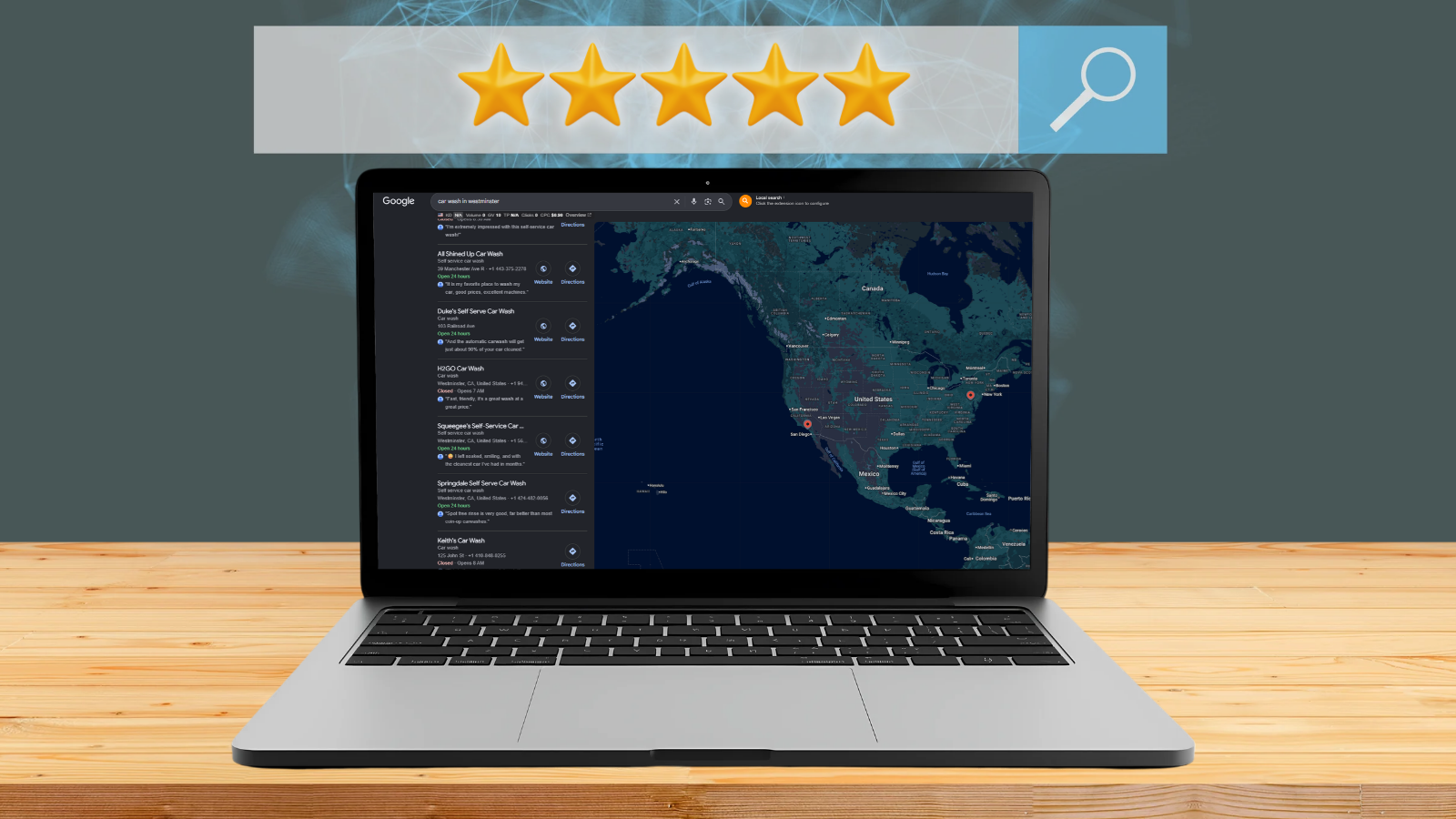
Dedicated platforms such as Ahrefs Brand Radar monitor questions for brand mentions and citations. Results vary with platform, query, location, and collection method, so compare results from the same settings over time.
When evaluating “top answer engine optimization for AI solutions,” ask how each tool collects data. A ranked list alone is not proof of quality.
How Do You Measure Answer Engine Optimization Results?
Measure AEO through relevant answer visibility and the customer activity that follows. Track brand mentions separately from linked citations, then compare identifiable AI referrals with overall organic search performance.
In Google Search Console, the Generative AI report shows impressions from AI Overviews and AI Mode, not a separate AI click total. The report may be absent when a site has too few impressions.
Use search performance reporting to connect visits with qualified inquiries or purchases. Keep the same test questions over time, and label third-party visibility estimates as samples rather than complete audience counts. Check leads with the sales team before counting every form submission as a useful inquiry.
When Should Businesses Invest in Answer Engine Optimization Services?
Answer engine optimization services help when content or technical issues exceed the team's time or skills. A business already investing in SEO may need an AI visibility review rather than a separate strategy.
Professional support can help rewrite vague service pages, verify claims, and repair access problems. It may also help keep reporting consistent across search and AI platforms. Start with the issue that limits progress instead of buying a broad package.
Before signing, request clear deliverables and an explanation of how results will be measured. Compare proposals for content work, technical fixes, and reporting, and avoid promises of guaranteed recommendations or citations.
Frequently Asked Questions
Answer engine optimization makes online information easier for search and AI tools to retrieve and explain through content changes and technical checks, helping readers get useful answers without guaranteeing source selection.
SEO focuses on visibility in unpaid search results, while AEO emphasizes usefulness in direct answers; both rely on relevant content and accessible pages rather than separate sets of guaranteed ranking tricks.
Answer engine optimization complements SEO because answer-focused results still depend on systems that find and assess information, so businesses should improve existing content and technical foundations before paying for a separate AI search program.
Common tools include Google Search Console for indexing and search visibility, Google Analytics 4 for identifiable traffic and key events, and Ahrefs for content research, audits, and supported AI visibility monitoring.
Answer engine optimization has no fixed results timeline because platforms must discover and assess changes, so compare consistent visibility checks with customer inquiries over time instead of treating a new citation as lasting success.
Improve Your AI Search Visibility With Mad Marketing Labs' AEO Services
Mad Marketing Labs is a digital marketing agency that combines answer engine optimization with SEO, generative engine optimization (GEO), content marketing, and website improvements. The team can review unclear explanations and technical problems, then track relevant visits and customer inquiries. Start with the pages customers use most.
Discuss your AEO Strategy to review current content and search performance, then choose practical changes around real business needs.