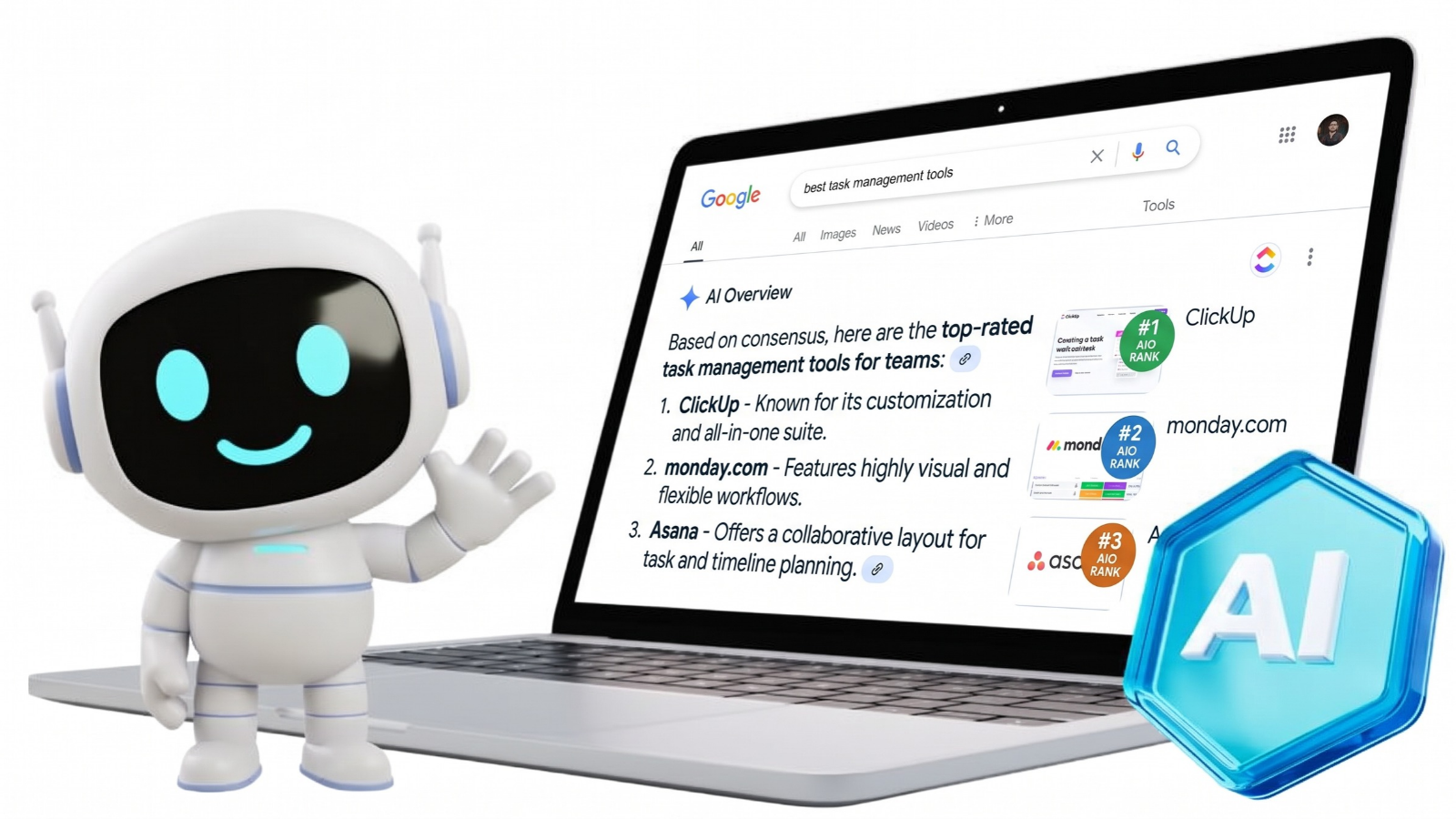
Google AI Overviews show AI-generated answers for some searches, often with links to supporting pages. To improve visibility, start with an indexable website and clear, trustworthy content. Anyone researching how to rank in AI Overviews should know that Google chooses which links to include, so placement is not guaranteed.
Mad Marketing Labs approaches AI search visibility as an extension of strong search engine optimization (SEO), not a separate shortcut. Businesses want those links because customers may use them to explore a topic or compare options. Nine practical SEO steps can make pages easier to find, more useful to readers, and better prepared for Google's AI-powered search features.
- Ranking first in regular Google results is not required to appear as a supporting source in AI Overviews.
- Pages need to be crawlable, indexable, and useful, with clear answers, original information, and credible sources.
- Google does not require special AI Overview schema, llms.txt, or a fixed answer length for inclusion.
- Strong SEO still matters because Google AI features use existing Search systems and indexed content to find supporting information.
- Track AI visibility alongside organic traffic, qualified inquiries, and conversions because citations alone do not show business impact.
What Are Google AI Overviews and How Do They Work?
Google AI Overviews are AI-generated summaries that may appear in Google Search when a question benefits from a broader explanation. Unlike an ordinary organic result, which shows a page title and description, an AI Overview combines an answer with links to supporting websites.
Those links can lead readers to more detailed information about a topic. Google AI Mode differs because it lets users explore questions through a more conversational search experience.
According to Google Search Central, both features may use a process called query fan-out. This means Google searches several related questions to gather information for a response. The answers and supporting websites can differ between AI Overviews and AI Mode.
How Does Google Choose Sources for AI Overviews?
Google chooses AI Overview sources through its existing Search systems and AI technology to find relevant information. Pages must meet Google's technical requirements, but strong organic rankings alone do not guarantee a supporting link.
According to Google's 2026 AI search guidance, AI features use Google's Search index and core ranking systems to retrieve useful information. The systems can examine several related topics before selecting supporting pages.
Original examples, checked facts, and helpful explanations can make a page more useful. Google has not published a separate list of confirmed AI Overview ranking factors, and even a website ranking first in regular search results may not appear in an AI-generated answer.
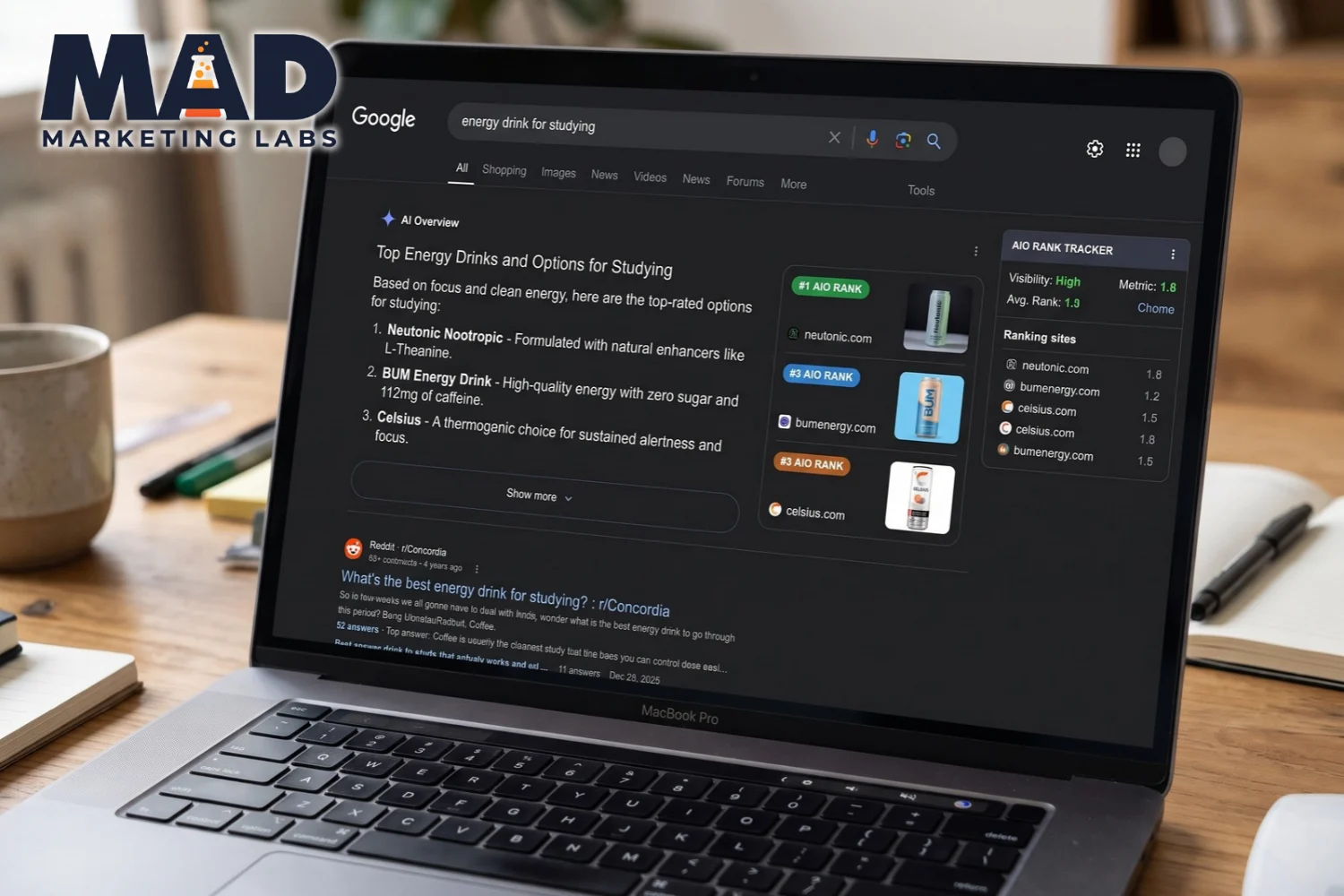
How to Rank in Google AI Overviews: 9 SEO Tips for 2026
Google does not offer a guaranteed method for securing an AI Overview supporting link. Anyone researching how to rank in Google's AI Overviews should start with the same SEO practices that help Google find reliable pages and help visitors get useful answers.
1. Make Sure Google Can Crawl and Index Your Website
Google must be able to crawl and index a page before it can qualify as an AI Overview supporting link. The page must also be eligible to appear in Google Search with a snippet.
Check important pages using the URL Inspection tool in Google Search Console. Look for blocked crawling, noindex tags, broken pages, or content that Google cannot access.
Keep important service information in readable webpage text. Information hidden in images or inaccessible page elements may be harder for Google to process. Indexing is necessary for eligibility, but it does not guarantee inclusion.
2. Target Questions People Actually Search For
Relevant customer questions help businesses create content that matches what people want to know. Search intent matters because someone researching a problem may need a different answer than someone ready to buy.
Compare "roof repair" with "Why does my roof leak after heavy rain?" The second search gives a contractor a clear question to answer with possible causes and practical next steps.
Knowing how to rank in AI search also means covering related concerns. Google's query fan-out process may explore connected questions, such as repair costs, warning signs, or maintenance needs.
3. Answer Search Questions Clearly and Directly
Clear answers help readers understand important information without searching through several paragraphs. Start with a useful explanation, then add supporting details where needed.
Use descriptive H2 and H3 headings that match real questions. Use short paragraphs, simple lists, and comparison tables to make detailed information easier to read.
There is no required answer length for Google AI Overviews. Write enough to answer the question accurately, and avoid forcing every response into a fixed word count.
4. Create Original Content That Offers Real Value
Original content gives readers information generic articles may miss. Real examples, firsthand experiences, and verified findings can help explain how a problem occurs and what customers should consider.
For example, a roofing contractor could document common causes of roof leaks found during inspections. Approved photos could show damaged flashing, worn seals, or problem areas around roof vents.
Google's May 2026 guidance emphasizes unique, valuable content instead of repeated summaries. Businesses can support this work by producing original content and having experts review it.
5. Build Trust With Reliable Sources and Expertise
Trustworthy content shows readers who created the information and why it deserves attention. Google uses Experience, Expertise, Authoritativeness, and Trustworthiness (E-E-A-T) as a framework for assessing content quality.
Add accurate author details, relevant qualifications, and verified business information when appropriate. Support research findings, safety advice, and technical claims with credible references.
For example, a home repair article could reference applicable building standards or government safety guidance. Google does not assign a single public E-E-A-T score that determines AI Overview placement.
6. Cover Related Topics Without Stuffing Keywords
Related topics help an article answer a customer's full question. A page should cover the details readers need instead of repeating the same phrase to attract more searches.
For example, a refrigerator repair article could explain cooling problems and link to useful guides about condenser coils, door seals, and temperature settings.
Use relevant internal links so visitors can explore connected problems. Related terms should fit naturally within the explanation. Extra paragraphs added only to increase word count rarely improve the answer.
7. Keep Your Website Technically Sound and Easy to Use
A technically sound website helps Google access important pages and gives visitors a better browsing experience. Mobile-friendly layouts, working navigation, and clear page structure make information easier to reach.
Link related pages together and fix broken links. Professional website development and maintenance can also help address crawl errors, slow pages, and technical problems.
Use supported structured data when appropriate, and make sure it matches visible page content. Google requires no special AI Overview schema. Advice for searches like "how to rank in AI overview" may mention llms.txt files, but Google says these files do not improve visibility in its Search results.
8. Earn Relevant Backlinks and Genuine Brand Mentions
Relevant backlinks and genuine brand mentions can help establish a business's credibility online. Links from respected industry publications, professional groups, and legitimate partners may introduce readers to useful information.
A contractor could contribute expert advice to a construction publication or share verified project findings with a local trade organization. Such contributions can earn genuine references when editors consider the information useful.
Avoid buying ranking links or creating fake brand mentions. Google treats manipulative linking practices as spam, and no backlink count guarantees AI Overview citations.
9. Keep Your Content Accurate and Updated
Accurate, current content gives readers information they can use with greater confidence. Old product details, outdated statistics, and broken references can make an otherwise helpful article less useful.
Review important pages regularly, especially when service details, regulations, or technology change. Replace outdated evidence and correct information that no longer matches current conditions.
An existing article may need a careful update instead of a new replacement page. Meaningful improvements matter more than changing a publication date without updating the information.
Do You Need to Rank #1 on Google to Appear in AI Overviews?
A website does not need the first organic ranking position to qualify as an AI Overview supporting source. Google uses its Search systems to identify pages that help answer different parts of a question.
For example, one website may explain the cause of a plumbing problem while another provides relevant repair guidance. Both may be useful to an AI-generated answer, regardless of which page ranks first in ordinary results.
Strong SEO can help Google discover useful content, but no organic ranking position guarantees an AI citation. Focus on relevance and accurate information rather than a single ranking number.
How Can You Check If Your Website Appears in Google AI Overviews?
Businesses can check AI search visibility through Google Search Console and third-party tracking tools. The key is to separate impressions, supporting links, clicks, and customer actions because each measures something different.
What Can Google Search Console Tell You?
Google Search Console's Generative AI performance report shows impressions from AI Overviews and AI Mode. Owners can review which pages appeared, along with dates, devices, and countries.
Google completed the worldwide rollout on August 31, 2026. Sites with too few AI impressions may not see the report. It does not provide a separate AI-specific click total, so compare its data with ordinary Search results reporting.
Should You Use AI Visibility Tracking Tools?
Third-party tools can help monitor selected searches for supporting links and brand mentions. Track the same questions over time and compare results across consistent locations.
A tool's observed citation rate may not reflect every Google search. Combine visibility checks with overall organic visits, qualified inquiries, and conversions.
What AI Overview Optimization Mistakes Should You Avoid?
AI Overview optimization mistakes often come from treating unverified tactics as guaranteed ranking methods. Google's guidance recommends useful content and sound SEO practices instead of special shortcuts.
| Common Mistake | Better Approach |
| Repeating excessive keywords | Answer search intent naturally |
| Publishing generic AI summaries | Add original, verified information |
| Using special AI markup as a shortcut | Follow supported structured data guidance |
| Forcing tiny content blocks | Organize information for readers |
| Buying links or brand mentions | Earn genuine references |
| Tracking only AI citations | Measure visits and customer results |
According to Pew Research Center's 2025 study, users clicked traditional search results in 8% of visits with an AI summary, compared with 15% without one. The study examined browsing behavior among 900 U.S. adults and shows why visibility alone should not be treated as a completed customer action.
How Can You Optimize Existing Content for Google AI Overviews?
Existing content becomes more useful for AI Overviews when businesses strengthen weak answers, correct outdated facts, and fix technical issues. Start with pages that already receive organic impressions or relevant search traffic.
Check whether each page answers its main question early and clearly. Review missing details, outdated claims, and weak references before improving headings and internal links.
For example, a vague answer might say, "Roof leaks happen for many reasons." A better explanation would be, "Rainwater can enter through damaged flashing around roof vents, so a roofer should inspect those joints when tracing a leak."
After making meaningful changes, check indexing and monitor performance in Search Console. Use search analytics and performance tracking to identify pages that attract useful customer activity.
Frequently Asked Questions
Improve a website's eligibility for AI Overviews by making pages indexable, answering relevant questions clearly, publishing original information, citing trustworthy sources, and following Google's SEO guidelines, although inclusion cannot be guaranteed.
A website does not need to rank first in Google's ordinary results to appear as an AI Overview supporting link because Google may select pages that answer different parts of a question.
Supported structured data can help Google understand eligible page types and may support certain search features, but Google requires no special AI Overview schema, and adding markup cannot guarantee a supporting link.
There is no fixed timeline for appearing in Google AI Overviews because Google's systems determine when summaries appear and which sources qualify, so website owners should track meaningful progress without expecting guaranteed placement.
Use Google Search Console's Generative AI performance report to monitor impressions and appearing pages, then compare overall organic traffic and customer conversions while using optional third-party tools to check selected AI Overview citations.
Improve Your AI Search Visibility With Mad Marketing Labs
Mad Marketing Labs helps businesses strengthen search visibility through SEO, answer engine optimization (AEO), generative engine optimization (GEO), content marketing, and website improvements. The team can review technical problems, improve content quality, and identify opportunities across Google Search and AI-powered results.
Measure progress through useful visibility, relevant visits, and customer inquiries, without promising guaranteed rankings or citations. Improve your AI Search Strategy and identify practical next steps for your website.