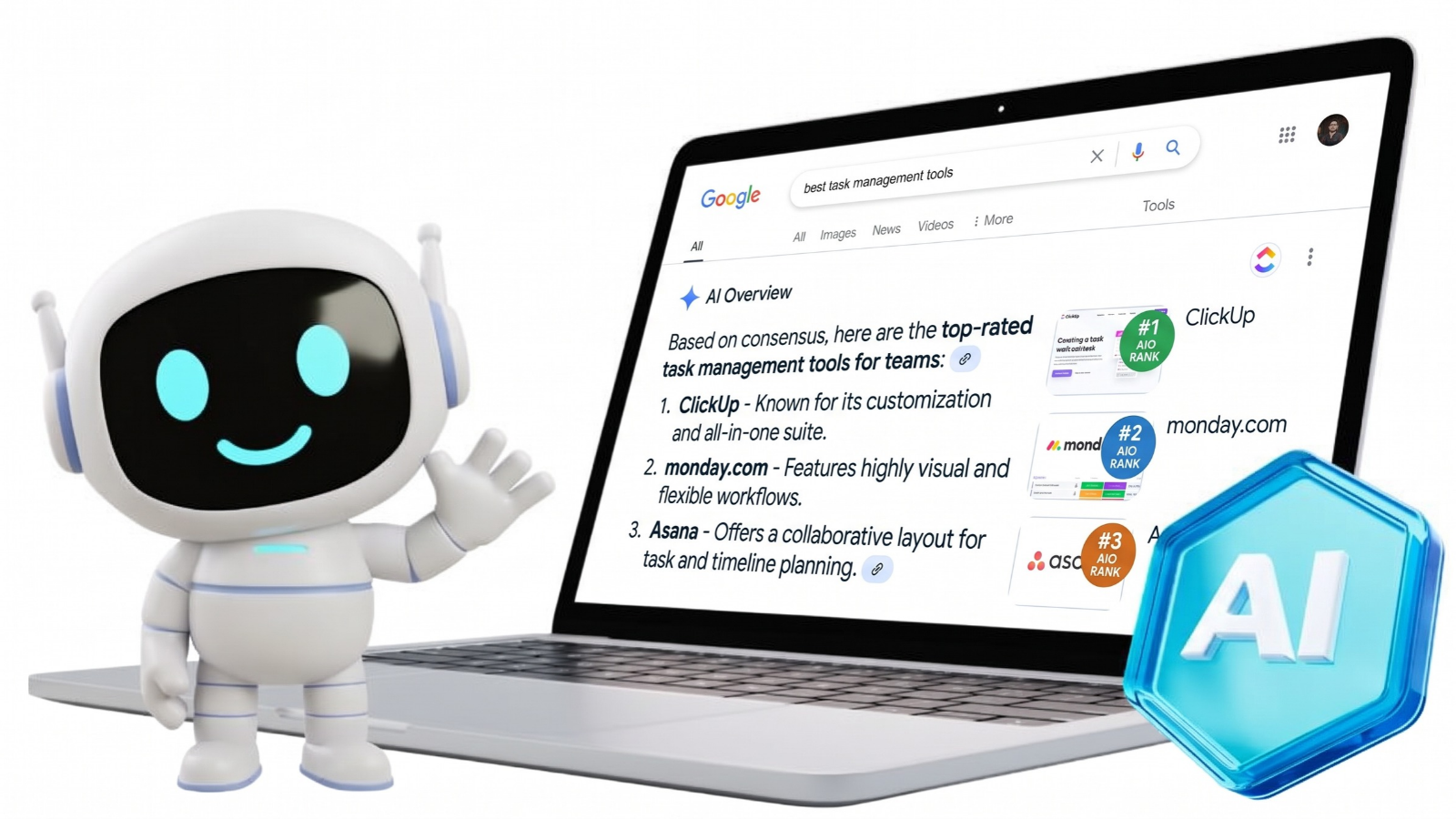
Customers can compare businesses in artificial intelligence (AI) search before visiting a website. AI search optimization improves website content and accessibility so answer systems can find, understand, and reference useful business information.
A Google ranking and an AI citation create different opportunities for visibility. For businesses working with Mad Marketing Labs, a useful starting point is reviewing existing pages rather than chasing shortcuts. The eight strategies below offer practical improvements and tools to track visibility, website visits, and customer inquiries.
- AI search optimization builds on SEO by improving content quality, technical access, and business information for AI-powered search experiences.
- Search visibility can appear as a linked citation, supporting source, or brand mention, but none of these automatically means a website visit.
- Clear answers, original information, reliable sources, and technically accessible pages can improve a site's usefulness across AI search platforms.
- Google does not require special AI schema, llms.txt, or artificial content splitting for AI Overviews or AI Mode.
- Measure AI visibility alongside referrals, organic clicks, qualified inquiries, and conversions to understand real business impact.
What Is AI Search Optimization?
AI search optimization means improving website content, technical access, and business information for AI-powered search experiences. It builds on search engine optimization (SEO), with added attention to how answer systems summarize and reference sources.
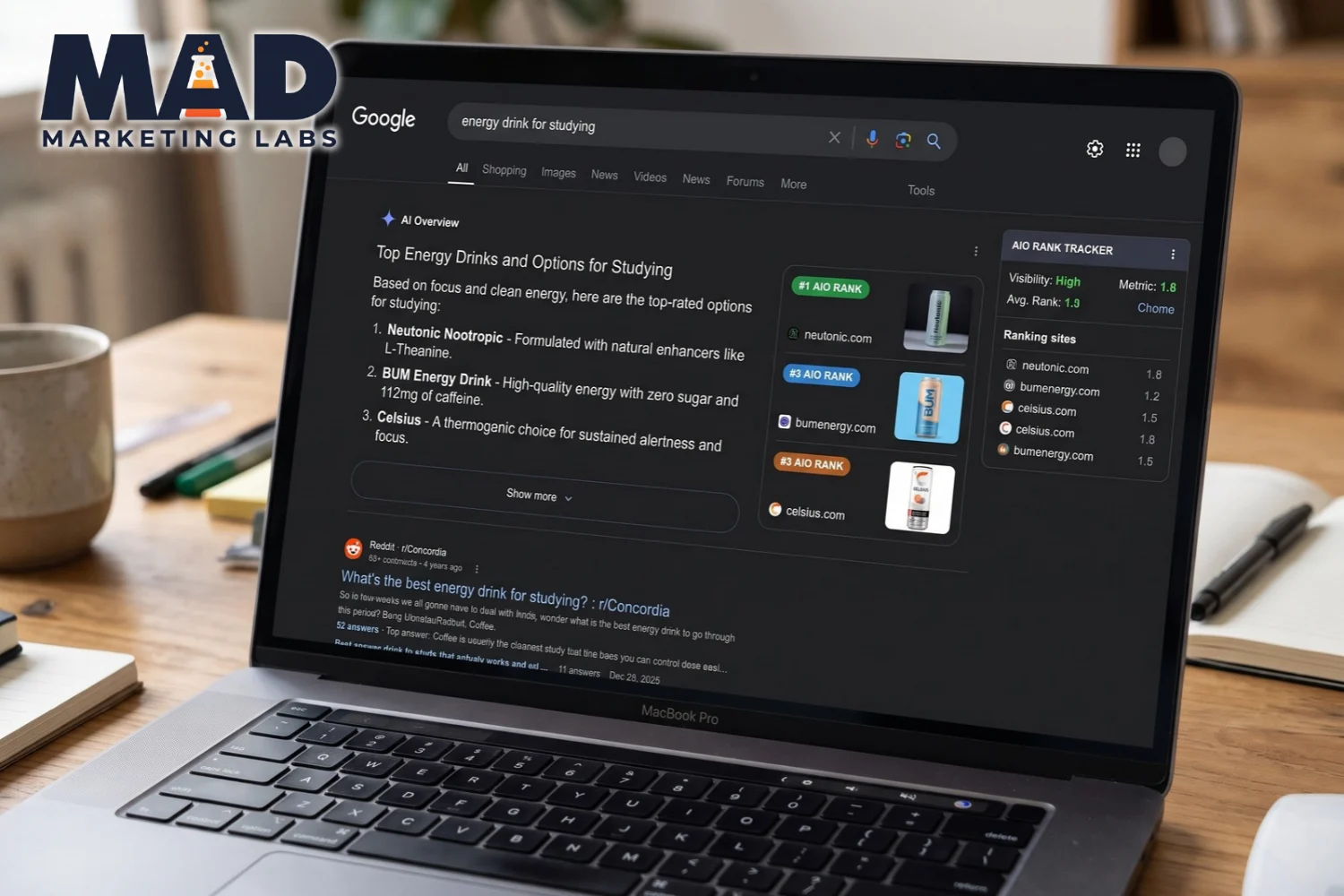
A business might appear as a linked source or an unlinked brand mention. Neither proves that someone visited the website. For example, a customer could ask which roofing materials suit a hot climate, and an AI search tool might compare options from relevant websites. Platforms use different search systems, so appearing in one does not guarantee visibility in another.
How Is AI Search Optimization Different From Traditional SEO?
Traditional SEO focuses on unpaid search visibility, while AI search engine optimization also considers appearances within generated answers. Both rely on useful information and accessible pages.
| Factor | Traditional SEO | AI Search Optimization |
| Main Focus | Organic search visibility | Visibility in AI answers |
| Search Experience | Listings and search features | Generated responses and sources |
| Main Practices | Content, links, technical SEO | SEO foundations and clear, credible answers |
| Common Metrics | Rankings, clicks, conversions | Mentions, citations, referrals, conversions |
Answer engine optimization (AEO) and generative engine optimization (GEO) overlap with this work. Google confirms that existing SEO practices remain relevant to AI Overviews and AI Mode, so these labels do not require three separate content plans.
How Does AI Search Find and Use Website Content?
AI search systems may retrieve relevant material from search indexes and webpages before generating an answer. Platforms differ in how they find information and select supporting sources for each individual question.
Google's AI features can use query fan-out, which means running related searches to explore parts of a question. For example, a roofing question might lead to searches about heat, maintenance, and material costs. Supporting links let readers inspect the evidence, while an unlinked business mention provides no direct path to the website. A strong organic ranking can support discovery, but it does not guarantee selection for an AI answer.
How Can You Optimize Your Website for AI Search in 2026?
Improve AI search visibility by fixing access problems and making existing content more useful. Start with important service or product pages, then use these eight steps to identify the next change worth making.
1. Make Sure AI Search Systems Can Access Your Content
Relevant search crawlers need access to retrieve current page content. Check indexing in Google Search Console, review robots.txt crawl rules, and investigate accidental noindex directives or blocked pages. Keep essential details in readable text. Google's AI supporting links require indexed pages that can display a search snippet.
Also check Google's generative AI inclusion setting. Third-party access differs: OpenAI's OAI-SearchBot supports ChatGPT search, while GPTBot controls a separate training use.
2. Target Questions Your Customers Actually Ask
Customer questions reveal what a page needs to explain. Use inquiries, keyword research, and search suggestions to identify gaps.
Instead of targeting only “roof repair,” address “Why does my roof leak during heavy rain?” Cover useful follow-up questions on the same page rather than creating near-identical pages for every wording variation.
3. Structure Content With Clear Headings and Direct Answers
Clear headings help readers find an answer without scanning unrelated text. Answer first, then use short paragraphs or a table when details need comparison.
For an illustrative rewrite, replace “Roofing solutions for every need” with “The inspection checks shingles, flashing, and drainage. A written report explains what needs repair.” The revised wording tells customers what the service includes; it does not guarantee an AI citation.
4. Publish Original Information and Reliable Sources
Original evidence gives readers more than a recycled summary. Share approved project findings, identify the author, and cite reliable sources for technical claims. A contractor could publish approved inspection photos with dated notes about what the team found.
According to a 2024 study involving Princeton researchers, some content edits improved source visibility by up to 40% in experimental AI answers. Results varied by topic and do not establish gains in Google rankings or revenue.
5. Build Brand Authority Beyond Your Website
Genuine references help customers check a business's reputation. Contribute useful findings to industry publications or professional associations, and keep public business details consistent.
Request honest customer reviews without fabricating feedback. Earn links through useful work rather than buying ranking links or manufacturing mentions, and avoid treating any mention count as a guaranteed route to citations.
6. Improve Your Website's Technical SEO
Technical SEO helps search engines discover pages and visitors use them. Check navigation, internal links, and page performance alongside mobile-friendly website design.
Supported structured data should describe visible content and meet the rules for eligible search features. Google requires no special AI schema, llms.txt file, or artificial content splitting for its AI search experiences.
7. Keep Your Business and Website Information Updated
Current information helps customers avoid decisions based on outdated details. Review services, statistics, references, and broken links when something changes.
For example, remove “weekend appointments available” when weekend service ends. Update applicable Google Business Profile and Merchant Center details too, rather than changing only the article date.
8. Test Your Visibility Across Different AI Search Platforms
Repeat tests to see how a business appears across selected questions. Try Google AI Mode, ChatGPT Search, and Perplexity with consistent questions and location settings.
Record the date, platform, and any linked citation or unlinked mention. Results can vary, so manual checks and third-party tools are samples, not complete measurements of audience exposure.
What Are the Best AI Search Optimization Tools?
The best AI search optimization tools depend on the task, from checking access to measuring leads. Choose tools that answer a specific question rather than replace editorial judgment.
Which Tools Help With SEO and AI Search Readiness?
Google Search Console helps check indexing and search visibility. Its Generative AI report shows AI Overviews and AI Mode impressions, not a separate AI click total.
Google Analytics 4 (GA4) tracks visits and key events you configure, such as qualified inquiries. Its AI Assistant channel covers recognized assistant traffic; Google AI search clicks remain in Organic Search. Ahrefs supports keyword research, competitor analysis, and site audits.
Which Tools Help Track AI Search Mentions and Citations?
Dedicated AI search visibility optimization tools, such as Ahrefs Brand Radar, monitor prompts for mentions and links. Compare platform support, locations, sampling, data history, reporting, and current pricing.
These tools cannot access Google's internal ranking data. Treat estimates as observations, not promises of future placement.
How Do You Measure AI Search Optimization Results?
Measure AI search optimization through visibility and customer actions. According to Pew Research Center's 2025 study of 900 U.S. adults, traditional-result clicks occurred in 8% of visits with AI summaries and 15% without them. The study was observational, not proof that summaries caused the difference.
Which AI Search Visibility Metrics Matter?
Useful metrics include mentions, linked citations, identifiable AI referrals, and organic clicks. A mention records an appearance, while a referral records a visit; compare both with qualified inquiries and conversions.
How Can You Connect AI Visibility to Leads and Sales?
Connect analytics events with lead records through consistent lead and sales reporting. Verify completed inquiries and purchases, and remember that a later direct visit may hide an earlier AI-assisted discovery.
What AI Search Optimization Mistakes Should You Avoid?
Avoid tactics that promise AI visibility without improving content or access. Google's guidance favors useful pages over special shortcuts, and its spam policies still apply.
| Common Mistake | Better Approach |
| Stuffing keywords | Explain the topic naturally |
| Scaling generic content | Add verified facts and original findings |
| Treating AI markup as a shortcut | Follow supported SEO guidance |
| Creating tiny, artificial sections | Keep related ideas together |
| Purchasing fabricated mentions | Earn genuine references |
| Counting mentions as business success | Track useful visits and conversions |
A vendor's visibility score is not a Google ranking signal. Ask what the score measures before using it to decide where to spend money.
When Should Businesses Consider AI Search Optimization Services?
AI search optimization services can help when content gaps or technical problems exceed the team's time and skills. Start with a focused review when existing SEO content attracts searches but rarely appears in relevant AI answers.
An agency can strengthen weak explanations, fix indexing issues, and maintain consistent testing. Some businesses need technical website repairs before more articles, while others need better sources or clearer service details.
Ask for named deliverables, access to reports, and a plan tied to business goals. Useful support builds on SEO and website quality rather than promising guaranteed citations. A separate AI package is not automatically necessary.
Frequently Asked Questions About AI Search Optimization
AI search optimization improves website content, technical access, and public business details so AI search systems can find relevant information and potentially reference it in answers, without guaranteeing a citation or customer visit.
Traditional SEO targets unpaid search visibility, while AI search optimization also considers generated answers and supporting sources; both approaches rely on useful content and accessible pages rather than entirely separate website strategies.
A website can improve its eligibility by allowing relevant search crawlers, resolving indexing problems, publishing accurate answers, and maintaining reliable business details, although each platform selects sources independently and may not include the site.
Google Search Console reports supported Google AI impressions, GA4 measures identifiable visits and key events, and tools such as Ahrefs Brand Radar monitor selected prompts for mentions and citations rather than total audience exposure.
AI search optimization has no guaranteed timeline because platforms must discover and assess changes, so compare consistent visibility checks with qualified inquiries over time instead of treating one citation as evidence of lasting success.
Improve Your AI Search Visibility With Mad Marketing Labs
Mad Marketing Labs combines AI search optimization with SEO, AEO, GEO, content marketing, and website development. The agency can review technical issues, improve high-value content, and align search visibility with business goals.
Start with the pages customers need most and measure progress through relevant visits and qualified inquiries. Discuss your AI Strategy to review current visibility, identify unanswered customer questions, and choose practical next steps.